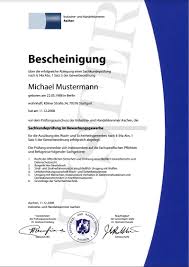
It can be useful for employment applications, professional profiles, business opportunities, training programs, and other situations where evidence of expertise is required.
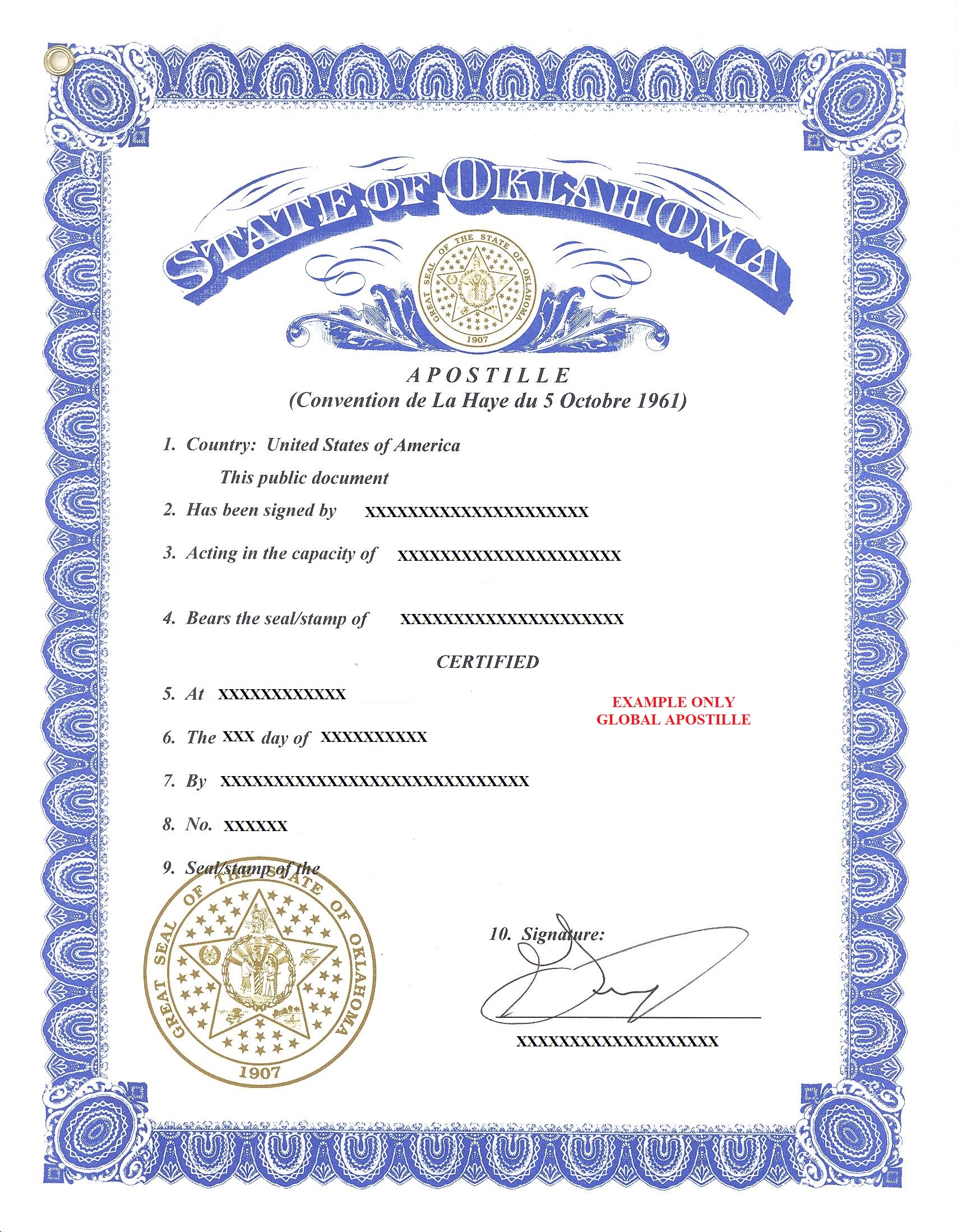
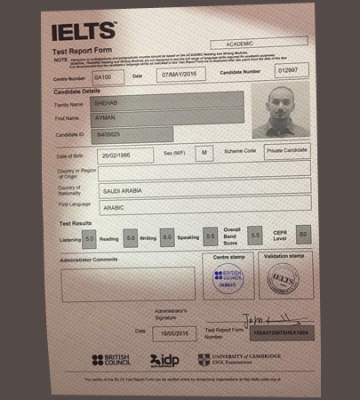
Depending on the profession, proof of expertise may include certificates, qualifications, training records, portfolios, references, work samples, professional licenses, or documented experience. The appropriate evidence depends on the requirements of the employer, institution, regulator, or organization requesting it.
Key Features
- Documents professional knowledge and skills
- Suitable for career and professional applications
- Can support experience and qualification claims
- Useful for portfolios and professional profiles
- Evidence can include training, qualifications, and work experience
- Requirements vary by profession and organization
For the strongest and most reliable documentation, ensure that certificates and supporting records are issued by recognized institutions or authorized professional bodies. Where verification is required, employers or organizations may check the issuing institution, certificate number, professional registration, or supporting records.
A genuine proof of expertise should accurately reflect the individual's actual education, training, skills, and professional experience. It should not contain false information or misrepresent qualifications.
Whether you are preparing an employment application, professional portfolio, or business profile, well-documented expertise can help clearly present your legitimate qualifications and experience.