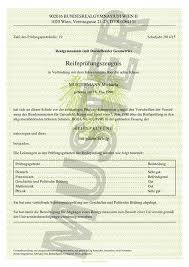
Matura programs and examinations vary by country and education system. Students may be assessed in subjects such as languages, mathematics, sciences, humanities, and other specialized areas. The exact subjects, grading system, examination format, and university-entry requirements depend on the relevant national education authority.
Key Features
- Official upper-secondary school qualification
- May provide access to higher education
- Recognized within the relevant national education system
- Subject and examination requirements vary by country
- Useful for university and further-education applications
- Academic records can document completed examinations and results
Students seeking a Matura should enroll through an authorized school or examination provider and complete the required coursework and examinations. If an existing certificate has been lost or damaged, the issuing school or education authority can provide information about obtaining an official replacement.
Before applying to a university, check whether your Matura qualification meets that institution's admission and equivalency requirements. Recognition can vary depending on the country, university, and intended program.
A genuine Matura certificate should accurately represent the student's completed education and examination results and should be issued through the appropriate educational authority.