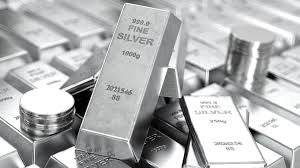
A certificate for physical silver may include details such as purity, weight, bar or coin identification, serial number, refinery information, and assay details. For investment products, documentation may instead describe an allocated or unallocated silver holding and the terms under which it can be redeemed.
Key Features
- Documentation related to silver ownership or authenticity
- May include purity and weight information
- Can contain identification or serial-number details
- Useful for investment and collection records
- Suitable for certain physical and financial silver products
- Issued according to the policies of the relevant dealer, refinery, or financial institution
Before obtaining a silver certificate, verify the issuer, certificate number, silver specifications, and available verification process. A certificate does not independently guarantee the market value of silver, and the rights attached to a certificate depend on the specific product and issuer.
For physical silver, buyers should also verify the item's markings, weight, purity, and provenance where applicable. For investment certificates, carefully review ownership arrangements, fees, storage terms, redemption conditions, and any applicable restrictions.
Choose documentation from a reputable and verifiable source to maintain transparent records and confidently understand what your silver certificate represents.