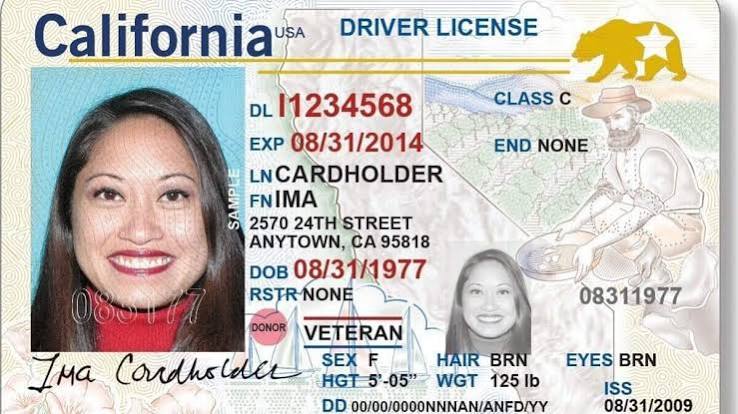
Wondering how quickly you can get a California driver’s license? The answer depends on your age, driving experience, application type, DMV appointment availability, and whether you need to complete a knowledge test and behind-the-wheel driving test. For a first-time applicant, the process can take longer than simply receiving the physical license because you must complete the required testing and eligibility steps.
For eligible applicants, California DMV allows you to begin parts of the application online, which can help make your DMV visit more efficient. The online driver license application takes about nine minutes on average, but you still need to visit a DMV office to complete the application process.
How Long Does It Take to Get a California Driver’s License?
If you're applying for your first California driver's license, there isn't one guaranteed turnaround time. You must first satisfy the application requirements, pass the required knowledge and vision tests, and, when applicable, pass a behind-the-wheel driving test. California DMV requires first-time applicants to demonstrate that they can safely operate a vehicle.
Once you successfully complete the required process, DMV can issue an interim or temporary license while your permanent card is mailed. The physical California driver’s license generally arrives by mail within 3–4 weeks after successful completion, according to the DMV's current driver-license information.
What Steps Are Required?
For most first-time applicants, the California driver’s license process includes several important stages:
- Complete the application: Start the driver's license application online or at a DMV office.
- Provide documentation: You'll need appropriate identity and residency documentation, with additional requirements depending on your application.
- Pass the vision test: DMV checks that you meet the required vision standards.
- Take the knowledge test: First-time applicants generally need to demonstrate knowledge of California traffic laws and safe-driving rules.
- Obtain an instruction permit when required: Applicants without a qualifying driver's license generally need a permit before taking the behind-the-wheel test.
- Practice driving: Build sufficient experience before scheduling your driving examination.
- Pass the DMV driving test: The behind-the-wheel examination evaluates your ability to operate a vehicle safely.
- Receive your temporary or interim license: After completing the necessary requirements, DMV can provide temporary documentation while the permanent card is mailed.
Can You Speed Up the California DMV Process?
The best way to avoid unnecessary delays is to prepare before your DMV appointment. Complete the online application where available, gather your documents in advance, study the California Driver’s Handbook, and make sure your vehicle meets DMV requirements before your driving test.
If you're applying for a REAL ID driver’s license, preparation is particularly important. California DMV recommends completing the application online and uploading the required documents before visiting a DMV office. You must bring the original documents with you to the appointment.
How Fast Can You Get the Physical License?
After you successfully complete the applicable requirements, DMV's current processing information indicates that driver-license cards can take approximately 3–4 weeks to arrive by mail. Processing times are estimates and can vary when additional review is required.
The Bottom Line
If you're asking “How quickly can I get a California driver's license?”, plan around the entire process rather than just the mailing time. A prepared applicant can move efficiently through the application, testing, and DMV appointment stages, but your total timeline will depend on your individual circumstances and appointment availability.
For the fastest experience, prepare your documents, study for the California DMV knowledge test, schedule required appointments early, and make sure you're fully prepared for the behind-the-wheel driving test. That preparation can help you avoid preventable delays and get on the road legally as efficiently as possible.