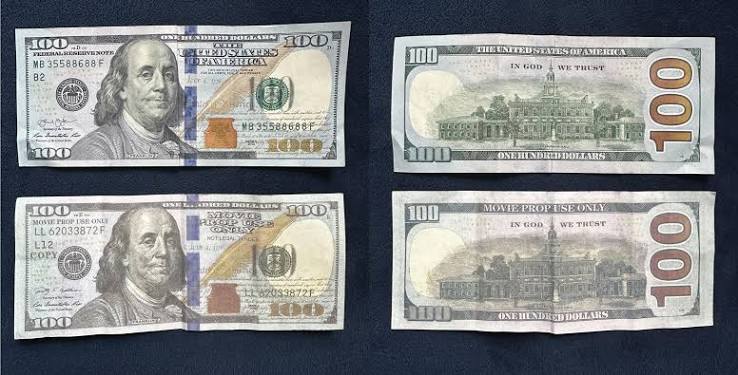
Counterfeit bills are designed to imitate genuine currency, and some fraudulent notes may appear surprisingly convincing at first glance. For retailers, businesses, event organisers, and everyday consumers, knowing how to tell if counterfeit bills look real is an important part of protecting transactions.
The key is not to rely on appearance alone. Genuine banknotes contain carefully engineered security features, and learning how to check them can make counterfeit detection much easier.
Why Can Counterfeit Bills Look Convincing?
A suspicious banknote may reproduce some of the visual characteristics people associate with genuine currency, including familiar colours, portraits, numbers, and patterns. This can make a quick visual inspection unreliable.
However, legitimate banknotes incorporate multiple security features that are difficult to reproduce accurately. These features can include specialised materials, embedded elements, tactile printing, optical effects, and microscopic details.
That is why effective counterfeit money detection involves checking several characteristics rather than simply asking whether a bill “looks real.”
Check the Texture and Material
Start by examining the feel of the banknote.
Depending on the country and denomination, genuine currency may be manufactured from specialised paper, cotton-based material, polymer, or another security substrate. An unusual texture, excessive smoothness, stiffness, or thickness can be a warning sign.
Remember that genuine bills can become worn through normal circulation, so texture should be treated as one part of the authentication process rather than definitive proof.
Inspect Security Features
Modern currency can contain numerous anti-counterfeiting features. Depending on the currency, these may include:
- Watermarks
- Security threads
- Holograms or foil elements
- Colour-changing features
- Raised or tactile printing
- Transparent windows
- Microprinting
- Fine-line patterns
- Special inks
Compare the questionable bill with a known genuine note of the same denomination. Differences in placement, clarity, colour, or construction may indicate that further verification is necessary.
Hold the Bill Up to Light
A light check can reveal security elements that are difficult to see under ordinary conditions.
Some genuine banknotes contain watermarks or security threads that become visible when held against a light source. Polymer currency can feature transparent windows and other integrated security elements.
If a feature appears merely printed on the surface rather than embedded into the banknote, treat the note with caution and perform additional checks.
Consider Professional Detection Tools
Businesses handling significant amounts of cash may use counterfeit bill detectors, UV lamps, magnifiers, or specialised authentication equipment.
These tools can help employees identify security features that are difficult to inspect manually. Staff training is equally important: employees should understand the equipment and know what steps to take when a note appears suspicious.
For the most reliable guidance, always consult the issuing country's central bank or official currency authority.
What Is the Difference Between Counterfeit Bills and Prop Money?
Prop money is produced for legitimate purposes such as films, television, photography, theatre, advertising, and educational demonstrations. It is not intended to circulate as genuine currency.
If you need re